Describe How Forensic Experts Use Dna Fingerprinting to Solve Crimes
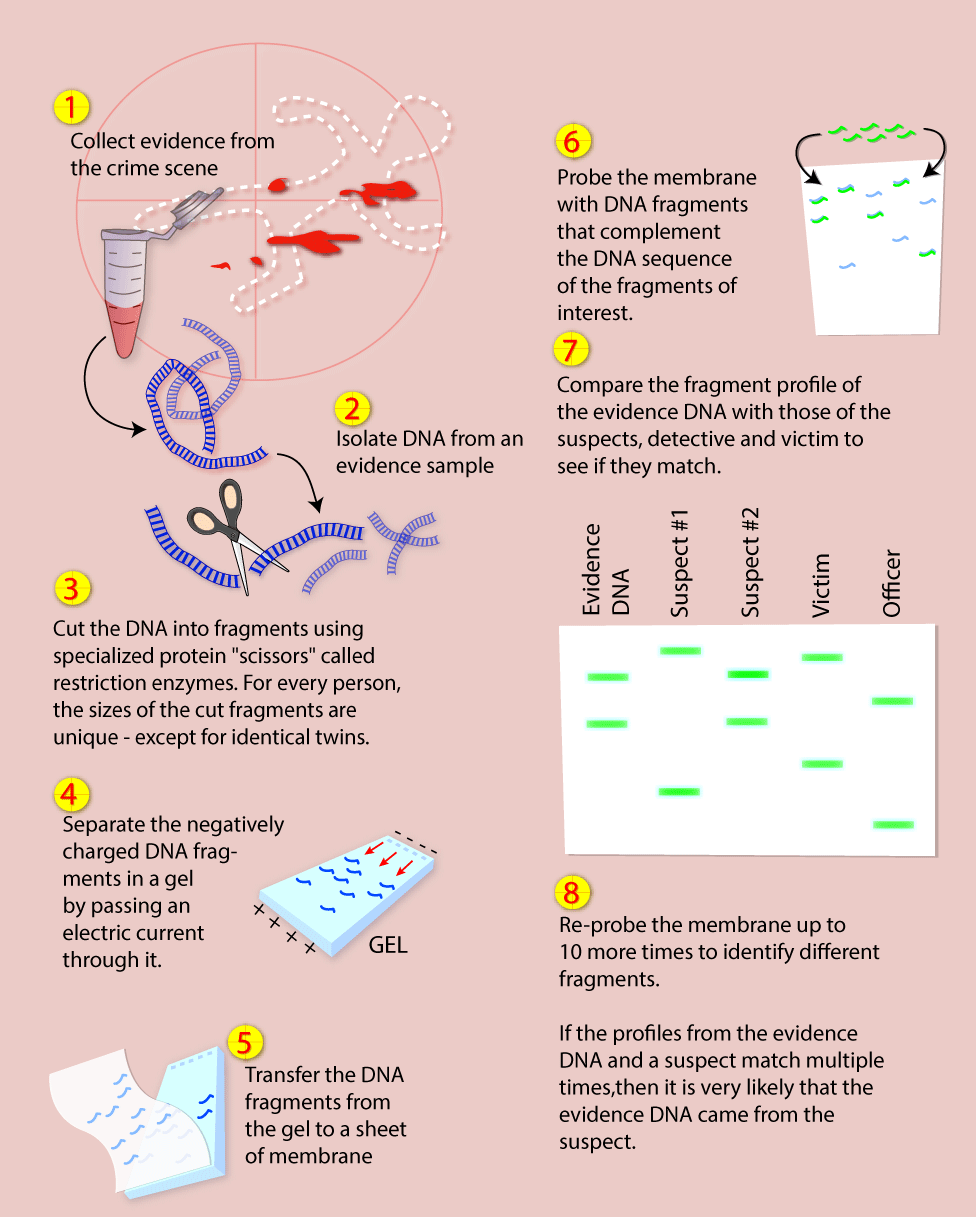
DNA fingerprinting is a laboratory technique used to establish a link between biological evidence and a suspect in a criminal investigation. Crime labs can collect DNA evidence at the crime scene and use it to develop a profile.

Forensics And Dna How Genetics Can Help Solve Crimes Hudsonalpha Institute For Biotechnology
We review their content and use your feedback to keep the quality high.

. The DNA profile can be matched to individuals suspected of the crimeA DNA match can link a suspect to the crime at the odds of 30 billion to one. Not as robust as you think. DNA fingerprinting is a technique which helps forensic scientists and legal experts solve crimes identity thefts legal suits and terrorism cases.
The use of informants is also aggressive but involves danger for those who inform. Law enforcement agents gather trace evidence such as blood semen skin or hair from the crime scene. Therefore lab technicians can compare the DNA sample of a suspect to the evidence found at the crime scene.
All tutors are evaluated by Course Hero as an expert in their subject area. DNA is the genetic profile unique to every individual with the exception of identical twinsCrime labs can collect DNA evidence at the crime scene and use it to develop a profile. DNA is the genetic profile unique to every individual with the exception of identical twins.
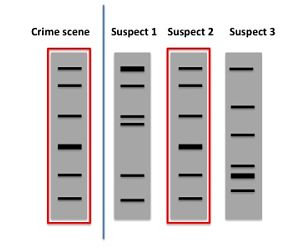
Now doubts are being raised about an extension of this technique called familial searching. Separation and detection of these fragments results in a unique pattern of bands often referred to as a genetic fingerprint and it is this unique pattern that is ultimately used in criminal investigations to match suspect DNA with DNA found at the scene. A DNA match can link a suspect to the crime at the odds of 30 billion to one.
In 2006 we explained how evolutionary history allows DNA fingerprinting to be used to catch criminals. The use of genetics in forensic science began in 1984 when 34-year-old Alec Jeffreys produced the first DNA fingerprint from his laboratory at the University of Leicester UK. Solve crimes Forensic science.
A genetic fingerprint can be directly used to match DNA found at a crime scene with suspect DNA to ultimately. You will use forensic techniques and the first steps will be to gather DNA found at the crime scene and obtain DNA samples from five suspects. The region containing each STR being analyzed is then copied many times using a technique called polymerase chain reaction.
The possible locations of DNA on the evidence are as under 1. Describe how forensic experts use DNA fingerprinting to solve crimes Law enforcement agents gather trace evidence such as blood semen skin or hair from the crime scene. Because these items are rich in DNA which provides a unique genetic blueprint for every living organism crime labs can create a DNA profile of the suspect and test it against other such profiles stored in.
He was arrested and detained for two weeks before. DNA samples are been collected for analyzing whether person is guilty or innocent. O fingerprinting is useful in criminal investigations because no two people have the same genetic code.
Nowadays this method has been widely utilized in law enforcement for solving crimes as well as identifying criminals. Solved Expert Answer to Describe how forensic experts use DNA fingerprinting to solve crimes. To create a DNA fingerprint DNA must first be extracted from a sample collected from a crime scene a suspect or an individual in a paternity case for example.
The DNA profile can be matched to individuals suspected of the crime. Weapon to solve Crime. Afterwards the STRs are separated according to their size.
Using undercover officers is considered an aggressive and often dangerous investigative technique. Experts are tested by Chegg as specialists in their subject area. Fingerprinting to solve crimes.
Weapon to solve crime DNA fingerprinting is a technique which helps forensic scientists and legal experts solve crimes identity thefts. In the classical DNA fingerprinting method radio-labeled DNA probes containing minisatellite or oligonucleotide sequences are hybridized to DNA that has been digested with a restriction enzyme separated by agarose electrophoresis and immobilized on a membrane by Southern blotting or - in the case of the oligonucleotide probes - immobilized directly in the. Operated by the FBI since 1998 CODIS gives local and state law enforcement.
How do experts use DNA fingerprinting to analyze evidence in crimes. Help solve a crime. After all DNA scientific data is considered more reliable than many other kinds of crime scene evidence27and genetic identification is considered more accurate than fingerprint recognition28 A forensic analysis begins.
This is the process of using a persons DNA which is a unique biological map pointing to a particular person and his or her kin. Latent fingerprints are significantly more typically discovered at crime scenes than body fluids containing DNA. One way of uniquely identifying an individual is to use DNA fingerprinting or profiling.
Describe how forensic experts use DNA fingerprinting to solve crimes. Identify an individual individuals family. Was wrongly linked by four fingerprint experts to the 2004 Madrid train bombing.
Many types of crimes including murders rapes assaults robberies and burglaries can benefit from latent-fingerprint analysis. In standard fingerprinting forensic scientists look for an exact match between crime scene DNA and that of a suspect or past offender. Now scientists believe that not only can genes provide information to link a person to a crime scene but they can also provide clues to determine time of death.
The DNA will be digested with a fixed set of restriction enzymes separated on a gel by gel electrophoresis and then analyzed for patterns of similarity with the crime scene sample. DNA provides a genetic blueprint or code for every living organism. Solved by verified expert.
DNA has been a vital part of forensic investigations25 since the late 1980s and has helped solve thousand26s of crimes. Describe how forensic experts use DNA fingerprinting to solve crimes.
Applications Of Dna Technology In Forensic Science Ck 12 Foundation

Pin On Forensic Science

Forensics And Dna How Genetics Can Help Solve Crimes Hudsonalpha Institute For Biotechnology

Pin On Biology I

A Science Odyssey Resources Educator S Guide Origins Teaching Science Dna Fingerprinting Dna Facts
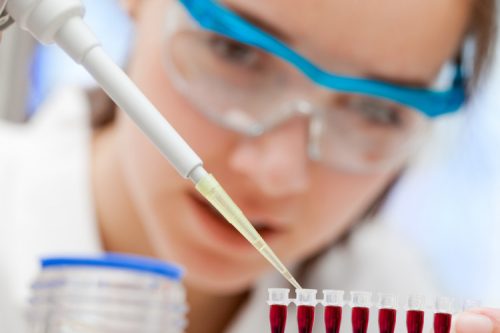
Dna Profiling How Is It Used In Criminal Justice

Pin On Products
Can Dna Demand A Verdict

Fascinating Careers In Forensic Science Forensic Science Forensics Forensic Science Major

Pin By Sagarika Satapathy On Crime Forensics Investigations Computer Forensics

Quia Dna Fingerprinting Quiz Dna Fingerprinting Text Features Worksheet Biology Worksheet

Dna Detective Teaching Ethics Dna Technology Interactive Activities

Next Generation Forensics Changing The Role Dna Plays In The Justice System Science In The News

Forensics And Dna How Genetics Can Help Solve Crimes Hudsonalpha Institute For Biotechnology
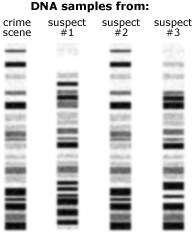
Evolution At The Scene Of The Crime Understanding Evolution
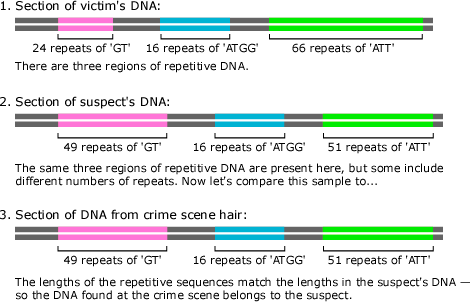
Dna Fingerprinting Understanding Evolution

What Is Dna Fingerprinting Dna Vs Conventional Fingerprints
How Are Crimes Solved By Pcr

Dna Fingerprinting Steps Uses What Is Dna Fingerprinting Video Lesson Transcript Study Com


Comments
Post a Comment